Earn the load.
Add challenge only after the rep stays recognizable. More weight is not progress when range, control, or position collapses.
ART OF SURVIVAL · FITNESS CHEAT CODES
Short enough to carry into training. Specific enough to test. Each maxim translates a useful idea from strength, conditioning, recovery, nutrition, measurement, or martial arts—and keeps the evidence limit attached.
Educational content, not individualized medical, nutrition, or self-defense advice. A memorable rule is a decision aid—not a universal law.


01 · STRENGTH
Add challenge only after the rep stays recognizable. More weight is not progress when range, control, or position collapses.
Practice the movement, range, speed, and loading pattern you actually want to improve. General training helps; specific practice decides the tested result.
Load, repetitions, range of motion, control, work completed, and cleaner execution can all move a program forward.
No progression method is universally best. Training history, technique, adherence, and the outcome being tested all matter.
Progressive-overload study →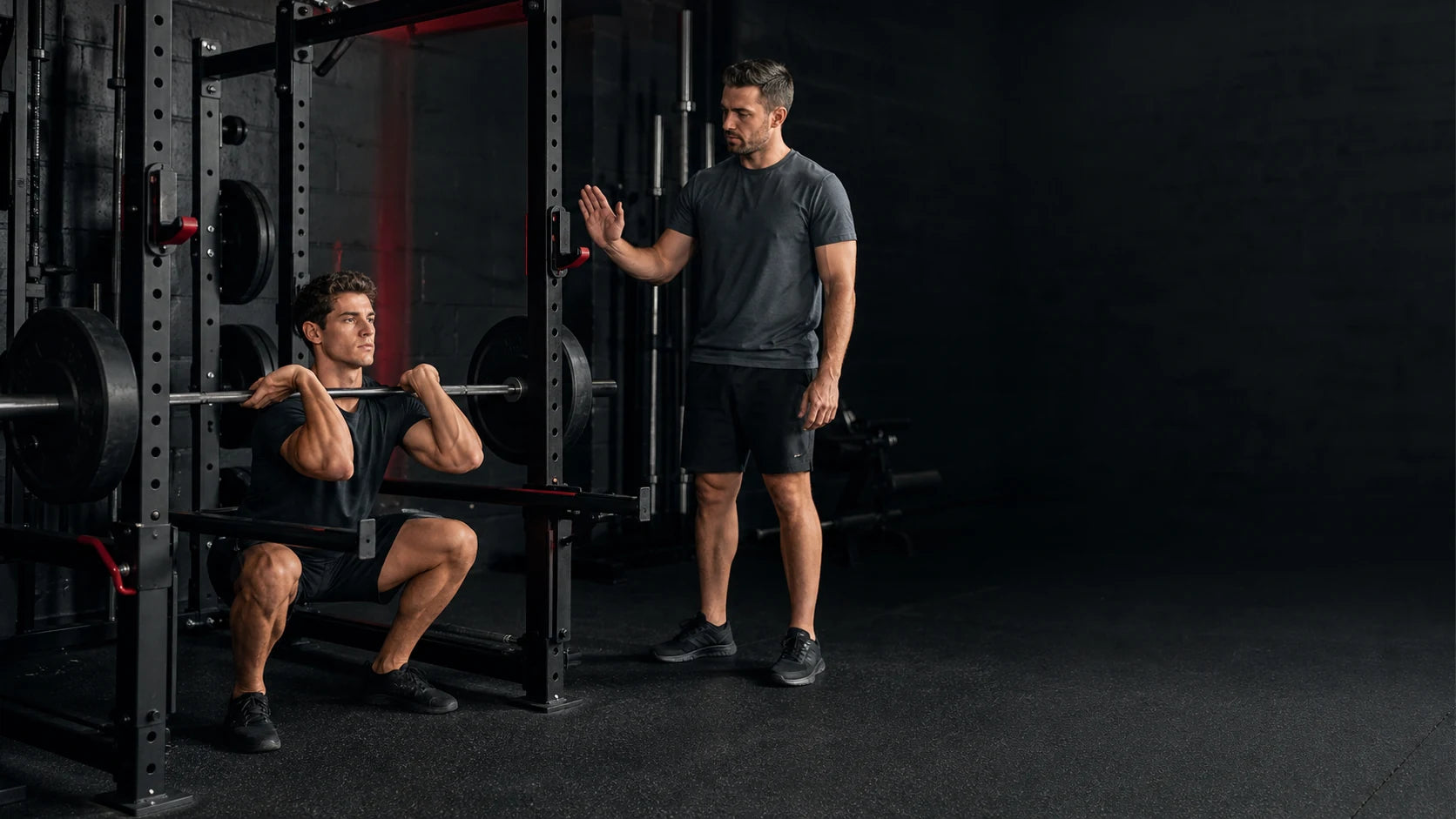
02 · MUSCLE GROWTH
Useful hypertrophy work can live across multiple loading ranges when sets are challenging, technique is sound, and the program can be repeated.
Use it selectively. Paying for every set with maximal fatigue can reduce the quality of later work and raise the recovery bill.
Add work only while performance, joints, sleep, and recovery remain productive. More is useful until it interferes with the next useful exposure.
Muscle growth can occur across loading ranges. The useful effort, volume, and failure exposure vary by exercise and person.
Loading-range study →Failure comparison →Failure and hypertrophy →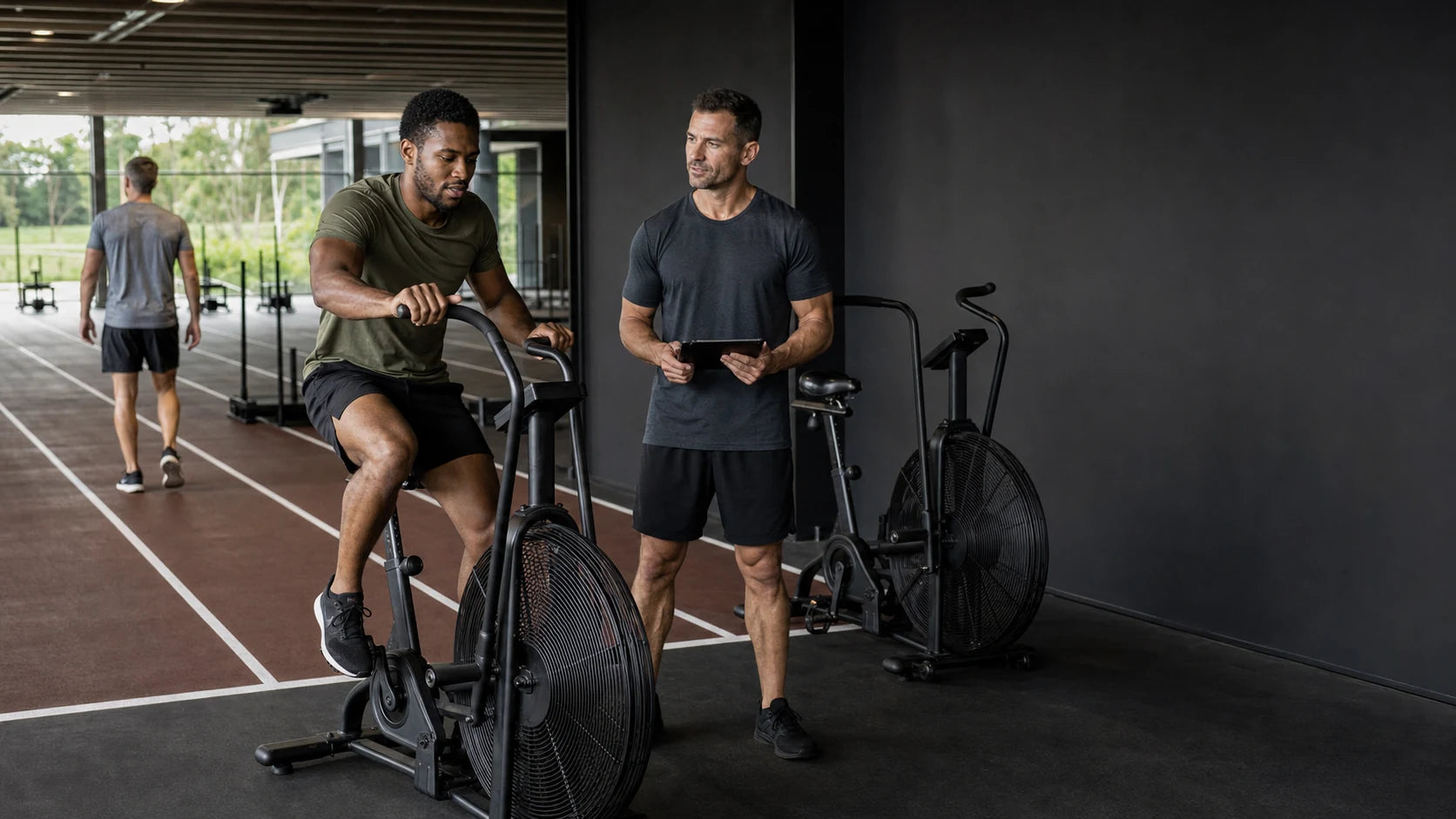
03 · CONDITIONING
Aerobic capacity supports the work between hard efforts: clearing fatigue, restoring output, and making the next round more repeatable.
Choose work and recovery periods for the adaptation. Suffering is not a unit of measurement.
Record pace, power, distance, repetitions, accuracy, and recovery. Sweat and soreness can accompany work without proving that the target improved.
The original Tabata result came from a small, highly specific cycling protocol. Not every four-minute circuit is “Tabata” or produces the same adaptation.
Original interval study →
04 · RECOVERY
The question is whether function, motivation, movement, and output are returning—not whether the ritual looked restorative.
A training plan that ignores sleep ignores a major part of learning, alertness, tissue repair, mood, and readiness.
Do not panic over noise. Do not ignore a pattern. Compare several sessions alongside symptoms, sleep, stress, and workload.
Readiness scores and symptoms are trend inputs, not diagnoses or infallible daily commands.
Readiness-monitoring review →Sleep and performance →
05 · NUTRITION
Insulin helps shift fuel handling after a meal. Immediate fat burning and long-term body-fat change are related questions, but they are not the same question.
Protein digestion supplies a whole-body amino-acid pool. Training, amino-acid composition, dose, timing, energy intake, and recovery help determine what follows.
Leucine and the other branched-chain amino acids participate in anabolic signaling, but an EAA blend is not complete nutrition or proof of long-term lean-tissue preservation.
Build defaults around protein, minimally processed foods, useful portions, and convenient preparation. Better friction can make the target easier to live.
Acute metabolic responses do not alone prove long-term fat loss or muscle gain. Needs vary with body size, diet, training, and total intake.
Controlled diet study →Protein tracer study →Large-dose protein study →BCAA study →EAA research →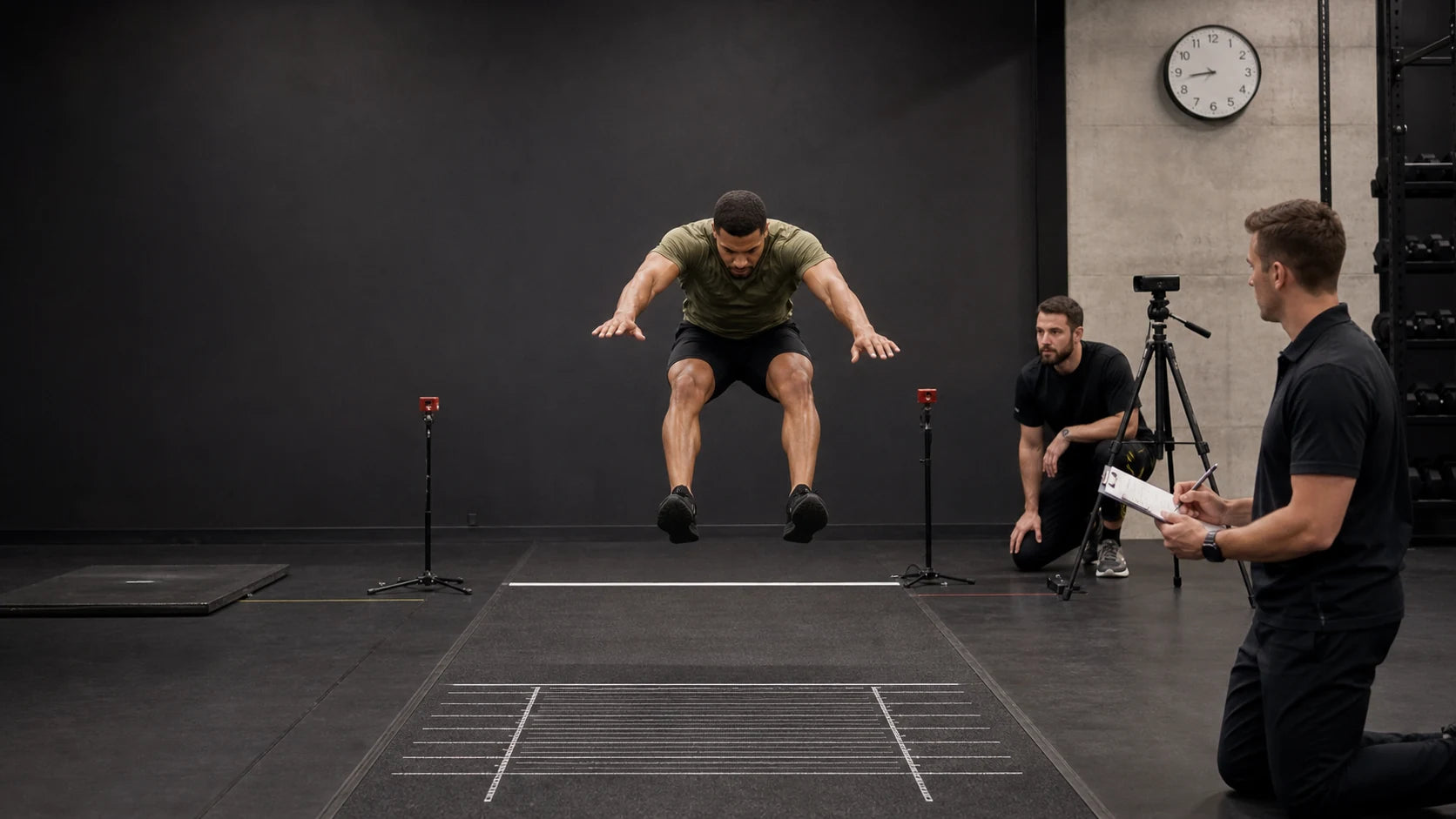
06 · MEASUREMENT
Keep equipment, warm-up, instructions, timing, order, and scoring as consistent as practical. Standardization lowers noise; it does not erase it.
Record the output beside effort, errors, symptoms, and recovery. Performance without context tells only half the story.
A repeatable test is not automatically a valid test. Use repeated trends, explicit scoring, and qualified interpretation rather than isolated verdicts.
07 · MARTIAL ARTS
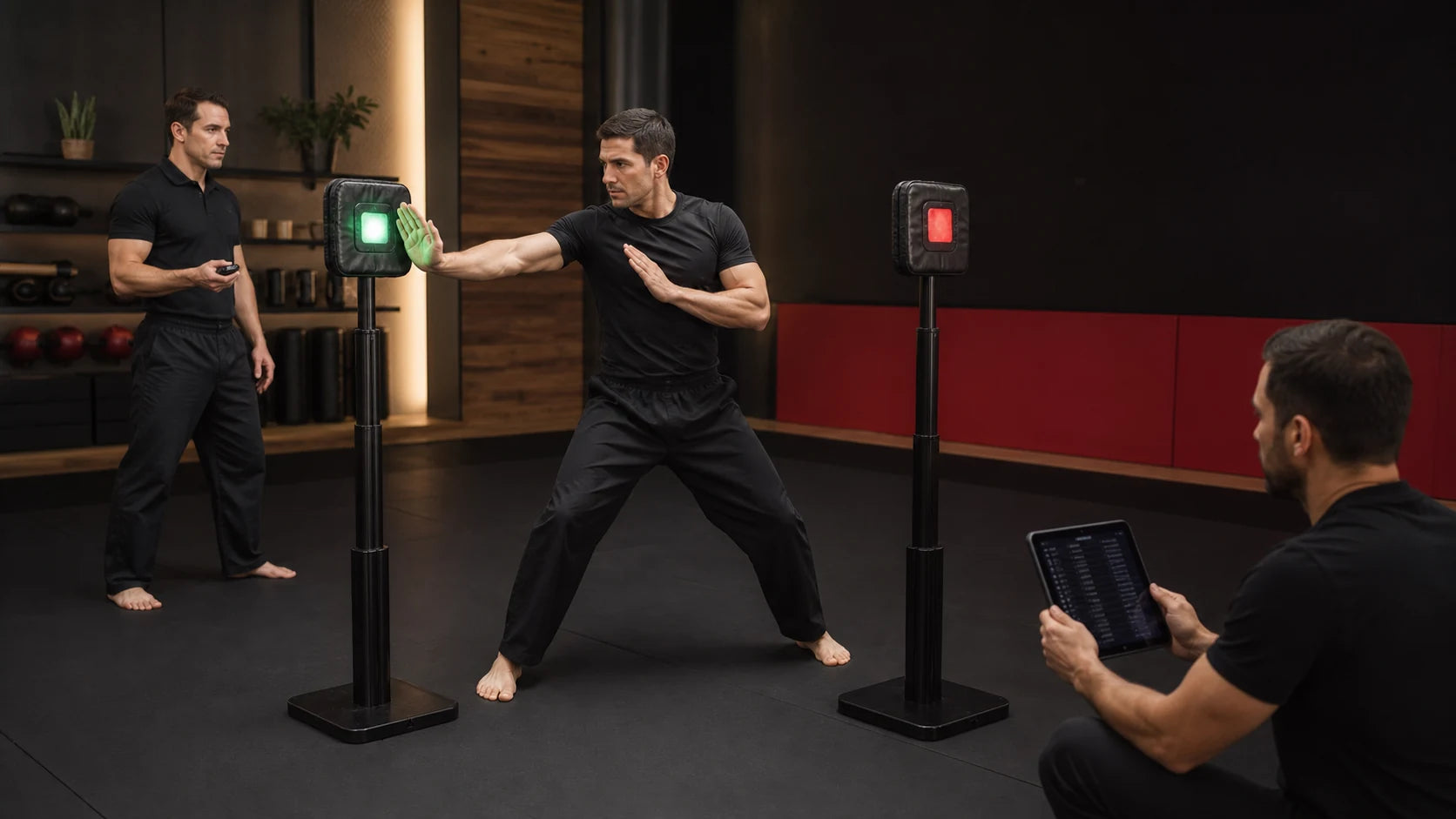
Reaction time without recognition and inhibition can reward guessing. Score false starts, wrong choices, unsafe continuation, and missed cues alongside speed.
Add uncertainty only with qualified supervision, clear rules, stop signals, protective equipment, and lawful objectives. The purpose is judgment—not theater.
Simple reaction-time gains do not automatically transfer to complex real-world decisions, and controlled drills cannot prove survival effectiveness.
Reaction-time research →Skill-transfer research →KEEP THE MAXIM · INSPECT THE SOURCE
The Cheat Codes library is designed to improve decisions while keeping uncertainty visible. If a rule stops fitting the evidence, the rule changes.